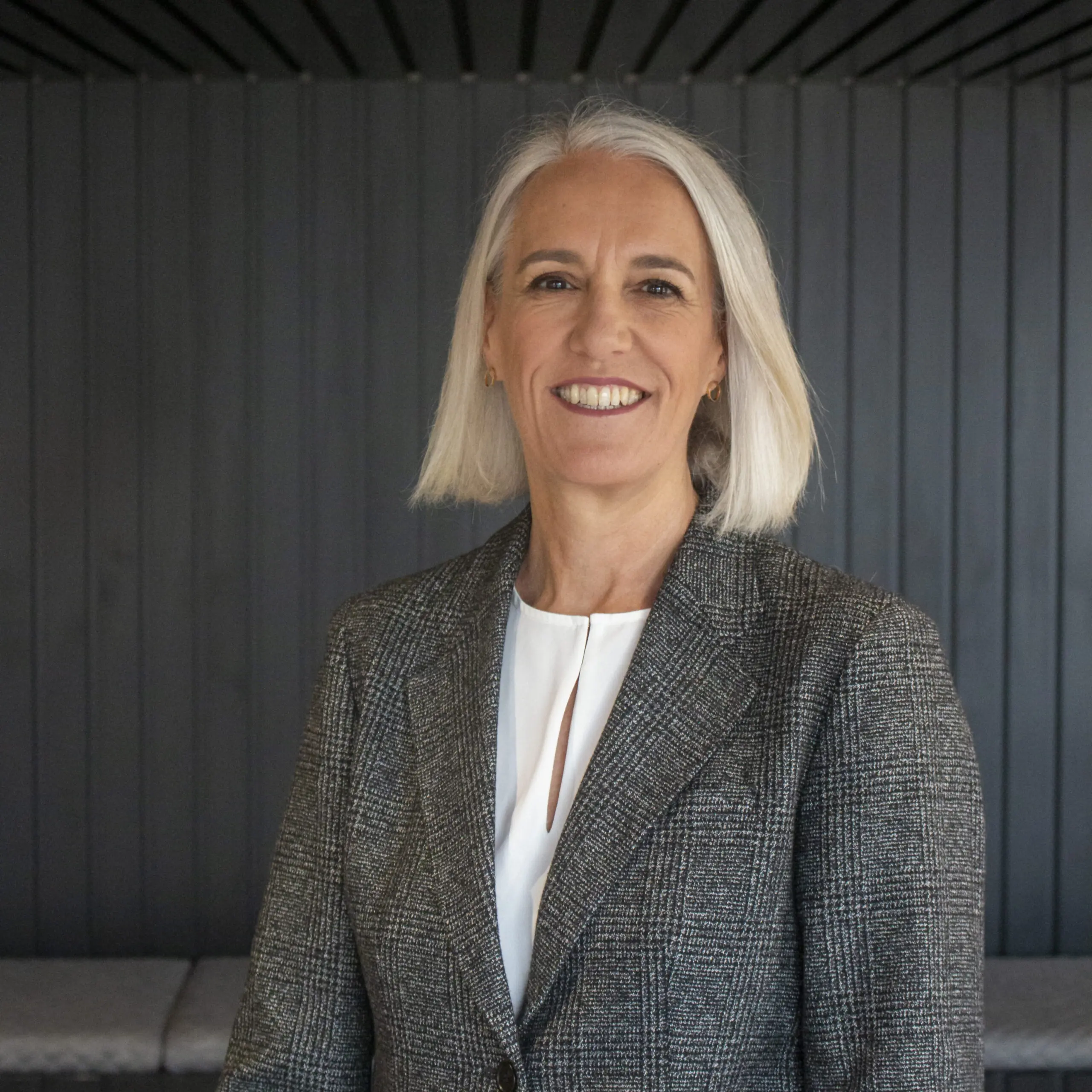
New figures show overweight and obesity rates continue to climb nationally and across South Australia, prompting a series of state government initiatives aimed at tackling the issue, including Australia’s first ban on junk food advertising across public buses, trains and trams.
The measures sit alongside Preventive Health South Australia’s LiveLighter campaign, which is focused on raising awareness of obesity, chronic disease, and encouraging healthier lifestyle choices.
According to Jane Martin, executive manager of the Food for Health Alliance, the issue has become one of the nation’s most pressing public health challenges.
“Australia’s growing rates of people who are above a healthy weight is an urgent public health issue,” Ms Martin said.
“Data shows that obesity has now overtaken tobacco as the leading preventable risk for the burden of disease in Australia.”
Nationally, around two-thirds of adults (66%) and more than one quarter of children aged between two and 17 years (26.4%) are living with overweight or obesity — equating to approximately 13 million adults.
South Australia’s figures remain similarly concerning, with 64.1% of adults and 31.6% of children classified as above a healthy weight.
Those numbers increase further in regional areas, where 73.2% of adults and 33.6% of children are living with overweight or obesity.
Ms Martin said consumption patterns — particularly sugary drinks — were also contributing to poorer health outcomes outside metropolitan areas.
“According to recent data from the ABS, sugary drink consumption is generally higher in regional, rural, and remote communities in Australia,” she said.
“This is heavily influenced by socio-economic factors, with the highest consumption rates found in the most disadvantaged areas, which are often rural.”
She warned that carrying excess weight significantly increased the risk of serious chronic conditions.
“Being above a healthy weight increases the risk of serious chronic diseases like type 2 diabetes, heart disease, and 13 types of cancer,” she said.
While encouraging healthier choices remained important, Ms Martin said broader changes to Australia’s food environment were essential.
“Australians want to be able to live healthy lives, but the environment that surrounds us can make it harder to be healthy,” she said.
“Every day we’re surrounded by cheap, heavily promoted, high-sugar and ultra-processed foods and drinks that increase the risk of being above a healthy weight.”
Ms Martin said public education initiatives such as LiveLighter had demonstrated positive results in helping people improve diets and understand the impact of unhealthy foods and drinks.
She said the campaign provided practical tools, including a sugary drink calculator, healthy recipes, and strategies to reduce sugar intake.
Ms Martin welcomed the South Australian government’s decision to ban unhealthy food and drink advertising on public transport.
“Exposure to unhealthy food advertising influences what kids want, eat and ask for, so protecting children from this marketing is really important in tackling overweight and obesity, both now and into the future,” she said.
Sugary drinks remain a central focus of prevention efforts.
Ms Martin said sugary drinks were the biggest source of added sugar in Australians’ diets, accounting for a quarter of total sugar intake.
“A single can of soft drink can contain 10 teaspoons of sugar — almost double the World Health Organization’s (WHO) recommended limit for good health outcomes — six teaspoons per day for adults,” she said.
She said evidence linked sugary drink consumption to heart disease, type 2 diabetes, poor dental health, kidney and liver conditions, mental health conditions, and increased energy intake that could contribute to long-term weight gain and obesity.