South Australians are being urged to prepare their homes and properties for an elevated bushfire risk this summer, as increased vegetation growth following a wet spring is expected to dry out rapidly as temperatures rise.
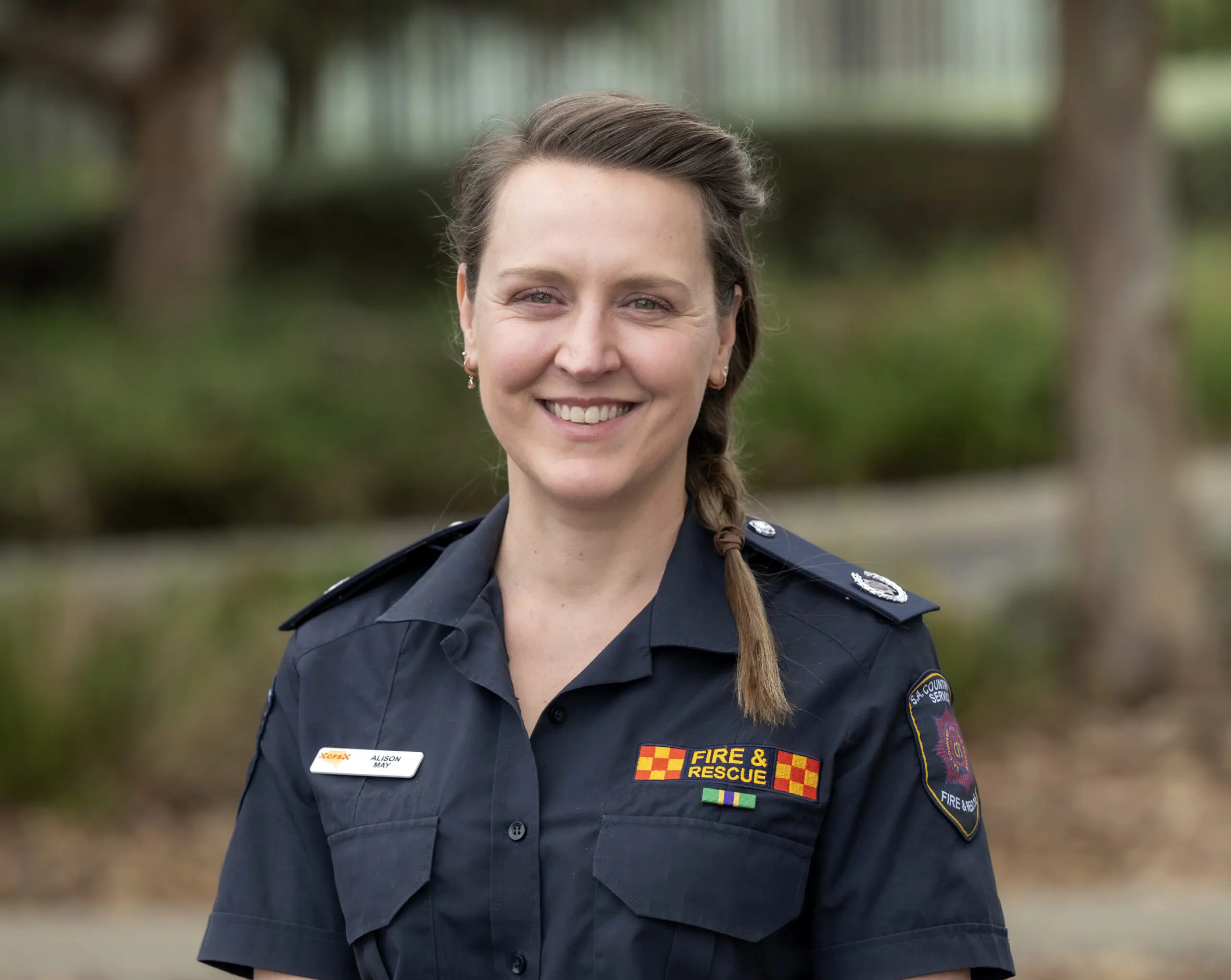
SA Country Fire Service (CFS) Director Community Risk and Resilience Alison May has warned that the combination of increased fuel loads and hot, dry conditions could create dangerous fire conditions, particularly in the north of the state.
“Property preparation, proactive fuel reduction, and personal preparedness should be a priority as we head into the Fire Danger Season,” Ms May said.
She said regardless of seasonal forecasts, residents needed to take the threat of bushfires seriously and do their part to reduce the risks around their homes and properties.
“No matter what the forecasts tell us, South Australians need to take the threat of bushfire seriously and make every effort to partner with the CFS in managing bushfire risk by ensuring that their properties are prepared and they have well considered bushfire survival plans,” she said.
With warmer weather approaching, Ms May is encouraging homeowners, particularly those in rural and bushfire-prone areas, to make property preparation a priority rather than wait until a fire threatens.
She said one of the most important steps was creating a defendable space around the home, free from vegetation and flammable materials.
“Now is the time to prepare your property by creating a good, defendable space around your home with no vegetation or flammable objects within 20 metres,” she said.
“Simple maintenance like clearing your gutters, removing fallen branches or other debris, and sealing gaps in your roof, walls, and around openings can protect your home from ember attack in the event of a bushfire.”
Ms May said these relatively simple measures could make a significant difference to whether a home survives a bushfire.
She warned that homes were often destroyed by embers travelling ahead of a fire front, making it important to remove anything that could ignite around buildings.
“Homes are most often lost due to ember attack, which can be created from a fire up to 3 kilometres away on a windy day,” she said.
“So, this is why eliminating potential points of ignition on roofs, under verandas, and on or under decking is so important.”
A well-prepared home, she said, was not only more likely to survive a bushfire but could also provide greater protection if residents were unexpectedly forced to shelter.
“Having a well-prepared home may save the lives of you and your family,” she said.
“We always recommend leaving early in the morning and moving to a Bushfire Safer Place as the best option in response to high fire danger days, but this isn’t always possible.”
She said preparing individual properties could also help reduce the threat to neighbouring homes.
“By doing your bit to ensure your property is well-prepared, you can help protect your neighbours’ properties as well as your own.”
While reducing fire hazards around properties was important, Ms May stressed that having a bushfire survival plan was equally essential.
The CFS encourages households to complete its 5-Minute Bushfire Plan, which helps families consider when they should leave, where they will go, what they need to take and how they will manage pets and livestock.
“Creating a 5-Minute Bushfire Plan on the CFS website helps you to think about triggers that you need to leave, what you will do with family members and animals, where you will go, and what you will take,” she said.
“We encourage you to discuss your plan with your entire family including your children, to ensure everyone in the family is aware of the plan and their role.”
She said making these decisions before an emergency could help families respond more calmly and avoid losing valuable time when conditions deteriorated.
“Having a plan, and backup plans, in place will save you valuable time during an emergency and help reduce panic.”
For farming communities, the approaching harvest period also brings additional fire risks associated with machinery and agricultural operations.
Ms May reminded growers that regular inspection and maintenance of farm machinery could help minimise losses during the harvest season.
“For residents of agricultural areas during the harvest period, it’s important to remember that farm machinery losses can be minimised with regular machine inspection and maintenance,” she said.
“Growers should also be familiar with the South Australian Grain Harvesting Code of Practice, which can be viewed on cfs.sa.gov.au/farms.”
Her message to residents across the region is to prepare now, understand the risks and have a clear plan in place before dangerous fire weather arrives.
“We urge all South Australians to ensure they are prepared for the serious threat of bushfire this Fire Danger Season. Bushfires can happen at any time, so it is vital to be bushfire ready,” she said.
“People need to know what they will do when a bad fire weather day approaches and having a bushfire survival plan is essential – whether that be a 5-Minute Bushfire Plan done on the CFS website, or something more in depth.”
Residents can find bushfire preparation advice and develop their survival plans through the CFS website at www.cfs.sa.gov.au.
Caption: Country Fire Service (CFS) Director Community Risk and Resilience Alison May. Picture: Supplied.